
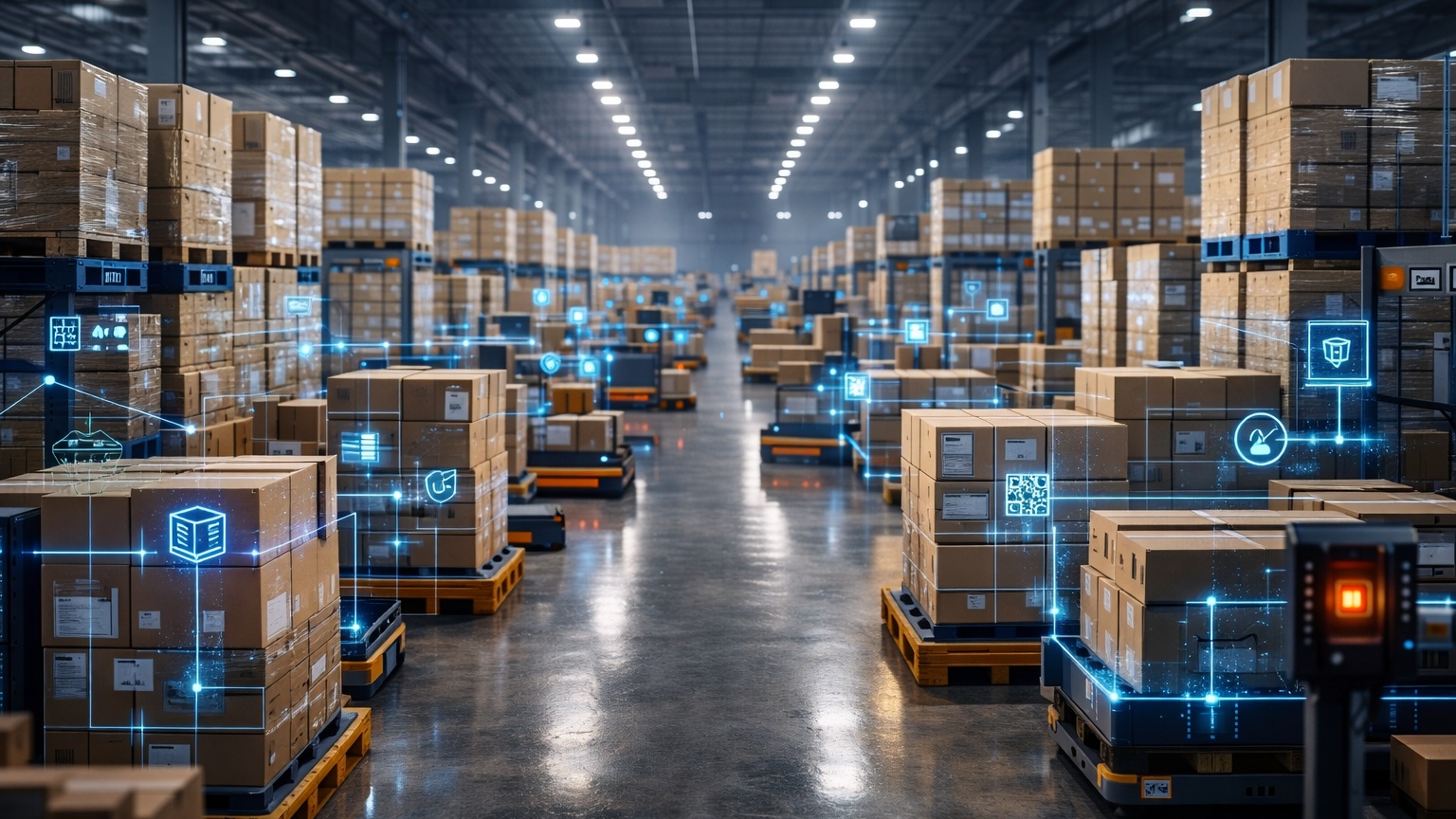
Supply chain and logistics are no longer just about moving goods from one place to another. They now represent a fast-evolving digital network where transparency, timing, security, and coordination shape how the modern economy works. On Blockchain Streets, this category explores the systems that keep products, materials, and information flowing across borders, industries, and platforms. From sourcing and storage to freight, tracking, and final delivery, every link in the chain matters more than ever. Blockchain adds a new dimension to that story by making supply networks more visible, verifiable, and efficient. Smart contracts can automate processes, distributed ledgers can reduce disputes, and real-time tracking can strengthen trust between suppliers, carriers, and customers. As global trade becomes more connected and more complex, logistics is transforming into a data-rich ecosystem where precision and accountability drive competitive advantage. This section brings together the ideas, technologies, and strategies shaping that shift. Whether you are exploring digital freight systems, traceability tools, or blockchain-powered coordination, you will find articles here that unpack the movement behind modern commerce.
A: It is the ability to track goods, data, and events across the full journey.
A: It creates shared, verifiable records that improve trust and traceability.
A: They can automate approvals, payment triggers, and compliance steps.
A: It helps verify origin, quality, handling, and authenticity.
A: It is the final delivery stage from distribution point to end customer.
A: No, many logistics systems use permissioned networks with controlled access.
A: Port congestion, shortages, poor forecasting, weather, and customs delays can all contribute.
A: It covers returns, repairs, refurbishment, and product recovery.
A: Yes, digital logistics tools can improve tracking, planning, and efficiency at many scales.
A: Better data, stronger coordination, flexible routing, and faster decision-making.