
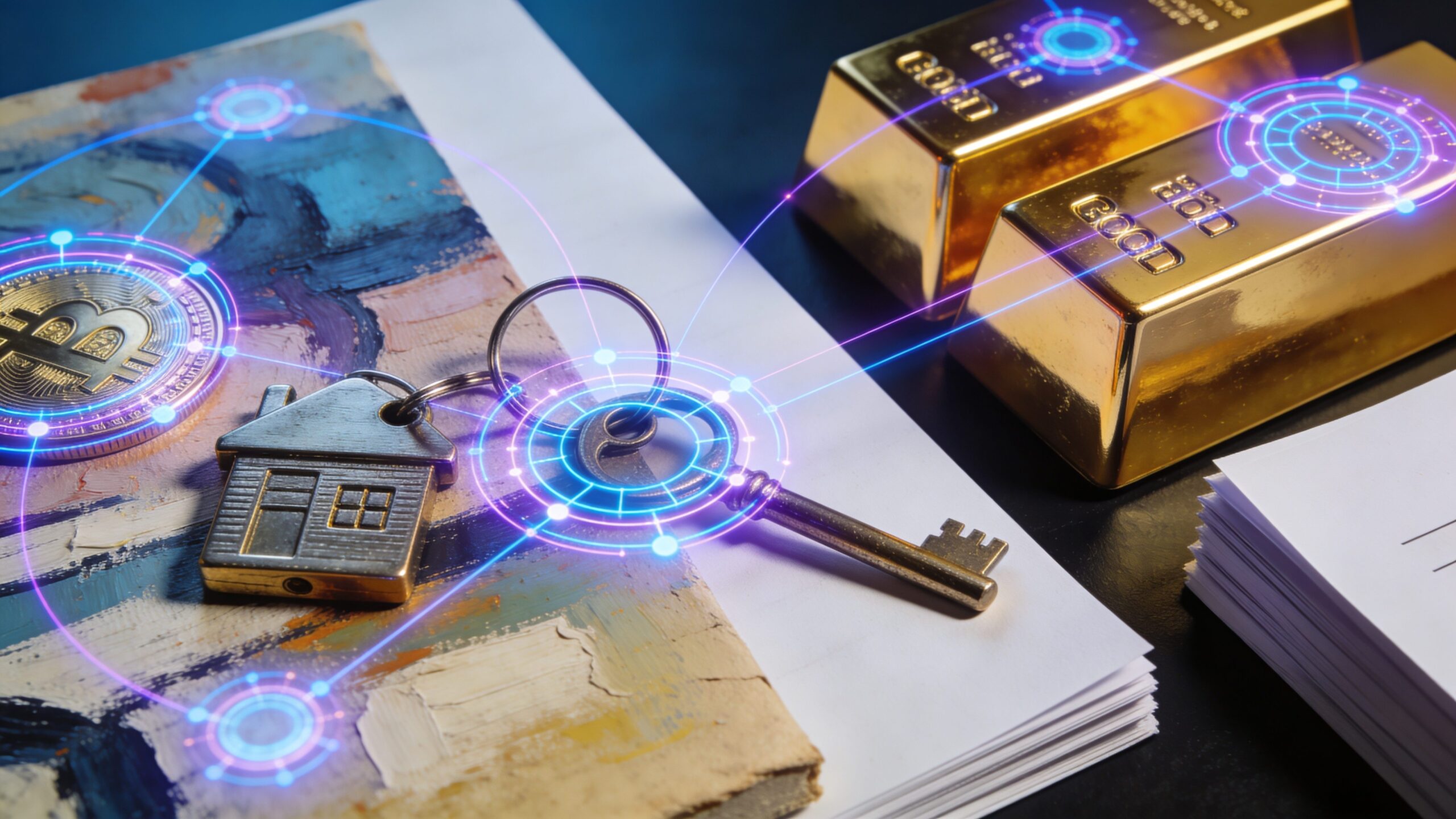
Real-World Asset Tokenization is one of blockchain’s most powerful bridges between traditional markets and the digital economy. It transforms physical and financial assets—such as real estate, commodities, art, bonds, infrastructure, and private equity—into blockchain-based tokens that can be tracked, traded, and managed with greater transparency. Instead of assets staying locked inside slow, paperwork-heavy systems, tokenization creates a programmable layer where ownership, compliance, settlement, and liquidity can move with new speed and precision. For investors, institutions, and innovators, this shift opens the door to fractional ownership, global access, automated recordkeeping, and more efficient capital markets. A building, fund, invoice, or rare collectible can become a digital asset with verifiable history and built-in rules. This section explores how real-world asset tokenization is reshaping finance, ownership, and value exchange. From institutional adoption to smart contract infrastructure, Blockchain Streets brings you into the fast-moving world where tangible assets meet decentralized technology.
A: It is the process of representing physical or traditional financial assets as blockchain tokens.
A: Real estate, bonds, commodities, art, invoices, funds, and many other assets.
A: Not always; it may represent rights, exposure, revenue, or a legal claim.
A: It can improve liquidity, transparency, access, settlement, and recordkeeping.
A: Many are, especially when they behave like securities or investment products.
A: It allows an asset to be divided into smaller digital shares.
A: They automate rules for transfers, payments, compliance, and ownership records.
A: Yes, risks include regulation, custody, valuation, liquidity, and smart contract security.
A: Investors, banks, funds, startups, asset managers, and blockchain platforms.
A: It is becoming a major bridge between traditional markets and blockchain infrastructure.